



Late Cretaceous fish fossils
is a fish that lived in the Late Cretaceous and whose fossils are common in the Upper Cretaceous Upper chalk in the Kent region of England. Fossils of this fish are usually preserved in chalk rocks, which were formed in marine environments, especially those sediments rich in calcareous microfossils and mudcrystals. These fish fossils are of great significance for paleontologists to study ancient marine ecosystems and fish evolution. Not only does it provide us with information about the morphology and structure of this fish, it also helps scientists understand the paleoenvironmental conditions in which they lived. By studying these fossils, scientists can reconstruct ancient marine ecosystems

ammonite fossil
The ammonite is an extinct marine mollusk belonging to the cephalopod family. They lived on Earth during the Mesozoic period, about 0.25 billion to 65 million years ago, and were mainly distributed in the oceans. The shape of the ammonite resembles a spiral flat disc, consisting of a series of spiral chambers. Their shells are usually made of calcareous matter and can be preserved as fossils. The size range of ammonites is large, from tiny species with only a few millimeters to giant species with a diameter of more than 2 meters.

Lower Cretaceous nautilus fossils (Madagascar ammonites)
The Lower Cretaceous is about 0.112 billion to 0.1 billion years old. Nautilus (Ammonite) is a class of paleontology, belonging to a cephalopod. They are a group of extinct marine invertebrates with a spiral shape. This ammonites is in the Mahajanga basin of northwest Madagascar, also known as Madagascar ammonites fossils. The Museum of Natural History in Vienna

Popular Models

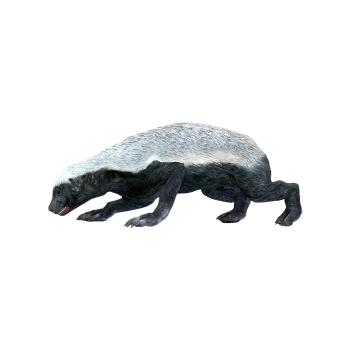
Honey Badger (3D animated model)
194 View
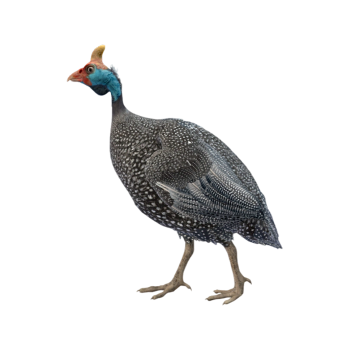
Guinea fowl (3D animated model)
165 View
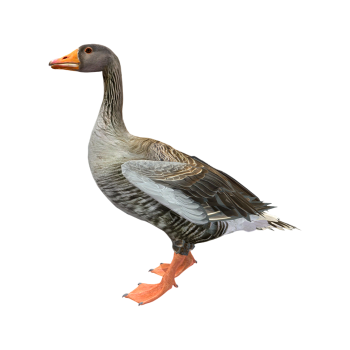
Wild Goose (3D animated model)
187 View
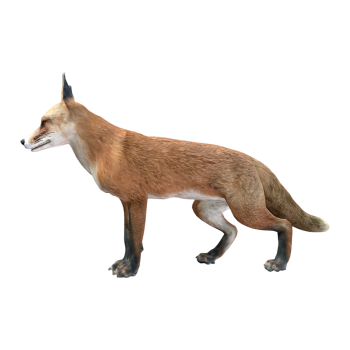
Red Fox (3D animated model)
155 View
Random Model


Borneo Lantern Fly Specimen
661 View

Tangjiasan Temple, Tangjiawan Town
833 View

Cervical Nerve Medicine 3D Model
668 View

red electric kettle
470 View
Ming Taizi Mochi Cheese Bread
985 View

Iranian Sheep Specimen
860 View

